

A beautifully maintained lawn is more than just a patch of green outside your home—it’s the first thing people notice when they drive by or step onto your property. A lush, vibrant lawn sets the tone for your home’s overall appearance, boosts curb appeal, and naturally increases property value. But beyond looks, a healthy lawn also offers practical benefits. It reduces soil erosion, provides a cool outdoor environment, improves air quality, and creates the perfect space for kids, pets, BBQs, or simply relaxing in the shade on a warm day. Lawn maintenance isn’t just a chore; it’s an investment in your home and lifestyle.
Greener Grass Landscaping offers expert lawn maintenance and mowing services to the beautiful Isle of Palms, SC. There goal is to help you maintain a lawn that enhances the natural beauty of this coastal paradise, whether you own a home or run a business on the island.
Understanding Your Lawn
When it comes to lawn maintenance, one of the biggest mistakes homeowners make is assuming that all lawns are the same. In reality, every lawn has its own personality, needs, and environmental preferences. Before you ever pull out a mower or sprinkle fertilizer, you need to take time to truly understand what’s happening beneath your feet. A lawn isn’t just grass; it’s a living ecosystem made up of soil, microorganisms, nutrients, and root systems—all working together to create that lush green carpet everyone wants. Understanding your lawn means taking stock of the type of grass you have, the type of soil you’re working with, how much sunlight the area receives, and how the climate in your region affects growth cycles.
Planning Your Lawn Care Routine
Successful lawn maintenance isn’t about doing everything at once; it’s about timing and consistency. A lawn care routine should be designed around your climate, grass type, and soil conditions. The best lawn care plans operate on a seasonal cycle, adjusting as temperatures shift and your lawn’s needs change. For instance, your lawn grows rapidly in spring and fall, while summer often brings heat stress and winter forces dormancy. Planning your routine around these growth patterns ensures you’re supporting your lawn exactly when it needs it most.
Mowing Your Lawn the Right Way
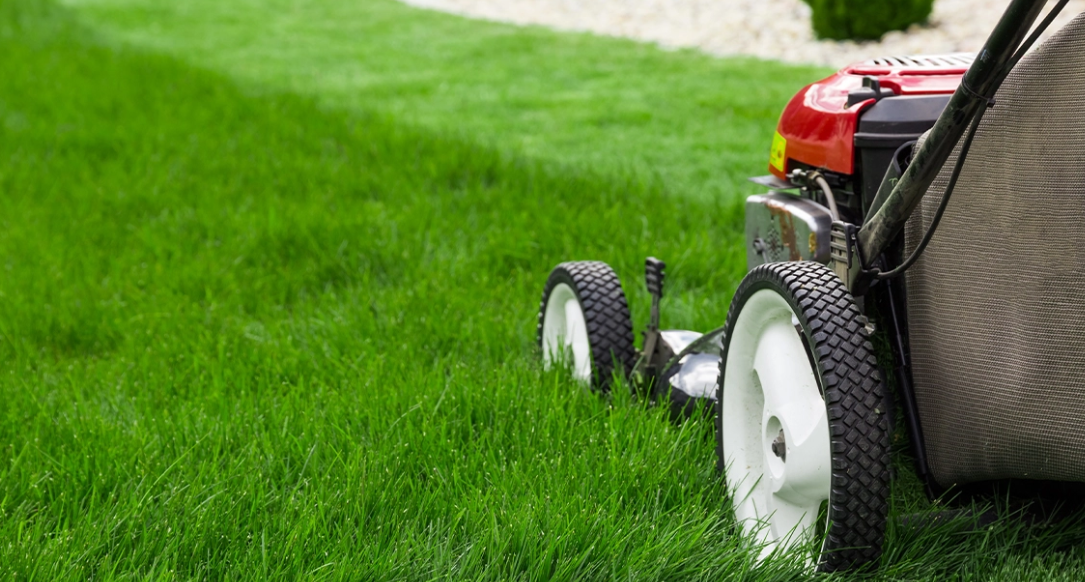
Mowing might seem like the simplest part of lawn care, but it’s actually one of the most important—and one of the most misunderstood. Many homeowners either mow too short, mow too infrequently, or mow at the wrong times. Proper mowing keeps grass healthy, strengthens root systems, prevents weeds, and improves your lawn’s overall appearance. When done incorrectly, it can stress the grass, expose the soil, and even lead to lawn diseases. Understanding the right mowing practices ensures your lawn remains lush and vibrant all year long.
Watering Your Lawn Properly
Watering your lawn may seem straightforward, but doing it correctly requires understanding how grass absorbs water, how soil holds moisture, and how your climate affects evaporation. Proper watering strengthens root systems, prevents disease, and reduces the risk of drought stress. Improper watering, on the other hand, leads to shallow roots, fungal problems, brown patches, and wasted water. The key to watering your lawn properly is consistency, timing, and understanding the needs of your specific grass type and soil.
Fertilizing for Greener Grass
Fertilizing is one of the most transformative steps in lawn maintenance. Even if you mow perfectly and water consistently, your lawn won’t reach its full potential without proper nutrition. Grass, like any living organism, relies on essential nutrients to grow strong, green, and healthy. Over time, soil naturally loses nutrients due to rainfall, watering, and natural biological processes. Fertilizing restores these nutrients, helping your lawn build deeper roots, develop richer color, and resist pests, diseases, and environmental stress.
Aeration & Dethatching
Aeration and dethatching are two essential lawn care practices that dramatically improve soil health and grass growth. Over time, soil becomes compacted due to foot traffic, rainfall, and natural settling. Compacted soil prevents air, water, and nutrients from reaching the roots. Aeration solves this problem by removing small plugs of soil from the lawn, creating channels for better airflow and nutrient absorption. This process encourages deep root growth and helps the lawn become more resilient.
Pest & Disease Management
A beautiful lawn can quickly deteriorate if pests or diseases invade. Lawn pests like grubs, chinch bugs, armyworms, and sod webworms chew through grass roots and blades, causing brown patches and thinning turf. Lawn diseases such as brown patch, dollar spot, rust, and snow mold can spread rapidly if conditions are right—often due to moisture issues, poor mowing habits, or nutrient imbalances. Effective pest and disease management includes prevention, early detection, and timely treatment.
Conclusion
A beautiful lawn doesn’t happen by luck—it’s the result of consistent care, smart planning, and understanding what your lawn needs at the right time. From choosing the right grass type to fertilizing, watering, mowing, and repairing, every element plays a vital role in building a lush, green, and healthy yard. With the techniques in this guide, you can transform any lawn into a vibrant outdoor space that enhances your home’s appearance and creates a welcoming environment for family and friends.
