

Communication radios are far more than old-fashioned walkie-talkies you see in action movies—they’re essential tools powering modern communication in industries, outdoor environments, emergencies, aviation, marine settings, and even security operations. Whether coordinating a construction project, navigating a hiking trail, or responding to a natural disaster, communication radios provide a level of reliability that smartphones simply can’t match. In this guide, we’ll dig deep into everything you need to know—from how radios work to choosing the right system for your needs.
RadioRed are the first online store specialized in Radio Communication, you will find a wide range of portable, mobile, intrinsic radios, radio bases, repeaters, antennas and accessories from the main brands, Kenwood, ICOM, Motorola, Hytera, they are in Monterrey shipping to all of Mexico.
How Communication Radios Work
Communication radios may seem simple on the outside—a push-to-talk button, a speaker, and an antenna—but the technology inside them is surprisingly sophisticated. At the heart of every radio is the ability to send and receive information through electromagnetic waves. These waves travel through air, buildings, mountains, and even space, making radio communication one of the most resilient and universal forms of wireless connection ever invented.
Types of Communication Radios
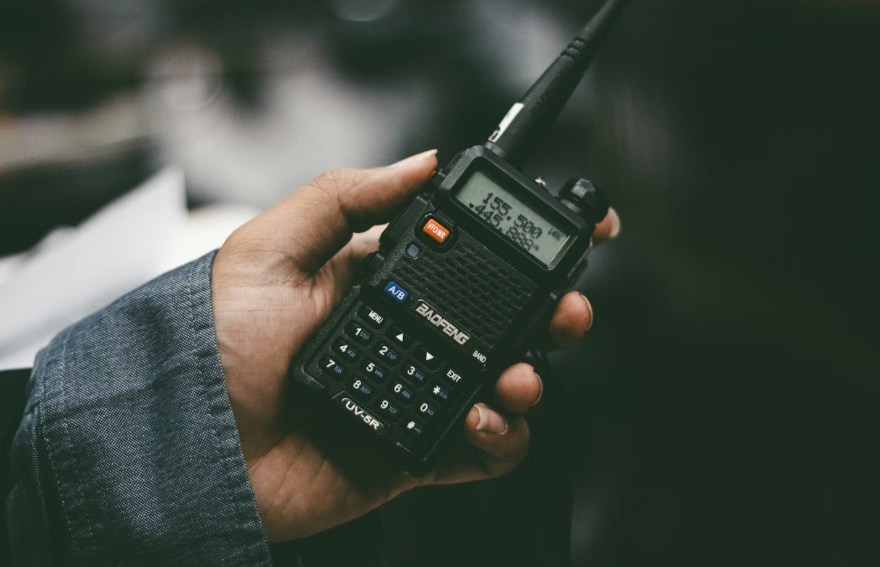
Communication radios come in a wide range of forms, each designed for a different purpose and environment. Handheld radios, often called walkie-talkies, are the most common. Lightweight, portable, and easy to operate, they’re used everywhere—from camping trips and retail stores to construction sites and emergency response teams. Their biggest advantage is mobility. As long as you stay within range and share the same frequency, you have instant communication at your fingertips.
Key Components of Communication Radios
Every communication radio, no matter how advanced, contains a few essential components. The antenna sends and receives radio waves. A longer or more efficient antenna increases range and clarity, which is why base stations use tall external antennas. The transmitter converts your voice into radio waves, while the receiver processes incoming signals back into audio.
Radio Frequencies and Bands
Communication radios operate on different frequency bands, each with unique strengths.
- VHF (Very High Frequency): Great for open outdoor areas. Ideal for farms, security perimeters, marine communication, and rural operations.
- UHF (Ultra High Frequency): Best for cities and buildings. Penetrates walls better than VHF.
- HF (High Frequency): Used for global communication. Can bounce signals off the ionosphere.
- FRS/GMRS/MURS: Consumer-friendly radio services used by families, hikers, off-road groups, and small businesses.
Choosing the right band determines how effectively your radio performs in your environment.
Use Cases of Communication Radios
Communication radios support thousands of industries and millions of users every day. Public safety teams—police, fire, EMS—depend on them for life-and-death coordination. Construction crews rely on radios for crane operations, deliveries, and site safety. Event managers use them to coordinate teams across large venues, while security teams use them to stay alert and connected.
Benefits of Using Communication Radios
Communication radios offer reliability, range, durability, and independence from cell networks. They provide instant communication with zero dialing time, work in remote areas, and deliver long battery life. Radios are also cost-effective—no monthly bills, contracts, or roaming fees. Many systems support private channels, encryption, and long-distance repeater networks.
Choosing the Right Communication Radio
Choosing a radio means evaluating range, durability, frequency band, battery life, and regulatory requirements. Outdoor users need rugged VHF units, while indoor teams benefit from UHF. Construction sites demand durable, weather-resistant radios. Emergency teams often choose digital encrypted models. Your environment and purpose determine the perfect radio.
Future of Communication Radios
The future combines AI integration, smart radio networks, digital enhancements, and hybrid systems blending radios with LTE and satellite connectivity. Expect radios to become smarter, more secure, and globally connected—without losing their rugged simplicity.
Conclusion
Communication radios remain one of the most reliable and essential communication tools ever created. From emergency responders to construction workers, from hikers to large corporations, radios deliver instant, dependable communication anywhere on Earth. Even as smartphones advance, communication radios continue to offer unmatched durability, simplicity, and independence. Whether you’re choosing your first radio or upgrading a professional fleet, understanding how radios work and which type fits your needs ensures you always stay connected—no matter where life takes you.
