

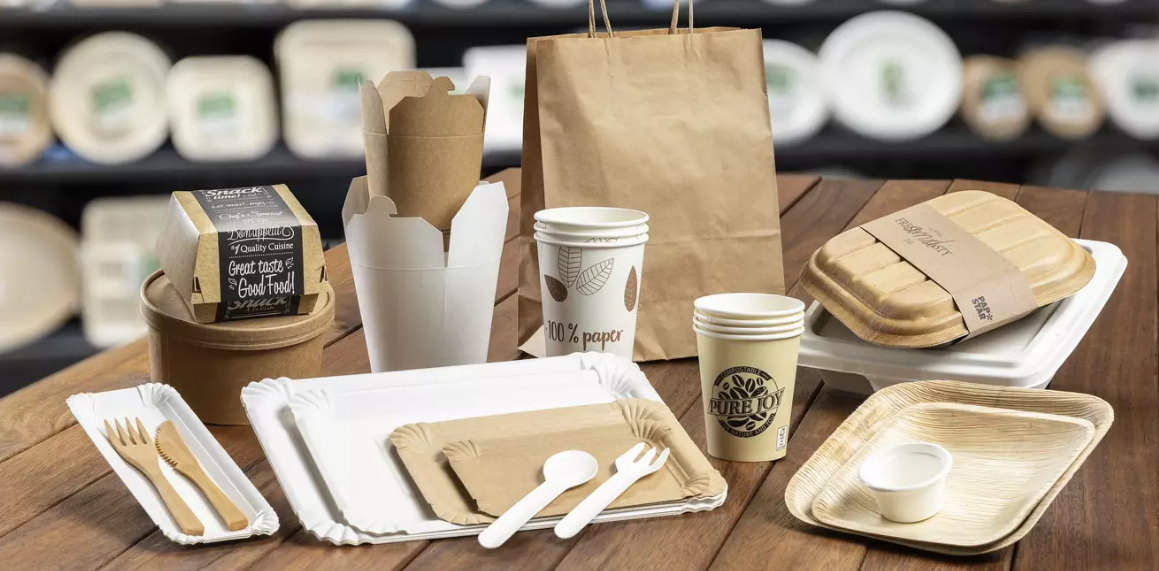
Anzhu disposable tableware has quietly become a part of our everyday lives, almost like background music we don’t consciously notice until it stops. Whether it’s a quick coffee in a paper cup, street food served on a disposable plate, or a large family gathering where cleanup needs to be fast and stress-free, disposable tableware plays a vital role in modern convenience. It’s everywhere—homes, offices, restaurants, hospitals, events, and outdoor adventures. And yet, despite its widespread use, many people don’t fully understand what disposable tableware really is, why it’s so popular, and what impact it has on our lives and the environment.
What Is Disposable Tableware?
Disposable tableware refers to eating and serving utensils designed for single use before being discarded. Think plates, cups, bowls, spoons, forks, knives, and even serving trays that are meant to be used once and then thrown away. The idea is simple: use it, enjoy your meal, and move on without worrying about cleaning or storage.
What sets disposable tableware apart is its intentional short lifespan. Unlike ceramic plates or stainless-steel cutlery that can last decades, disposable items are created with lightweight materials that prioritize convenience over durability. This makes them ideal for situations where washing dishes is impractical or undesirable, such as large events, outdoor settings, or food delivery services.
The Evolution of Disposable Tableware
Disposable tableware didn’t just appear overnight. Its journey is closely tied to changes in lifestyle, technology, and global consumption patterns. In the early days, people relied almost entirely on reusable items made from clay, metal, or wood. The idea of throwing away a plate after one meal would have seemed absurd.
The first forms of disposable tableware emerged in the early 20th century, largely driven by public health concerns. Shared cups and utensils were common in schools and public places, leading to the spread of diseases. Disposable paper cups were introduced as a hygienic alternative, marking the beginning of a new era. Convenience soon followed hygiene as a major selling point.
Common Types of Disposable Tableware
Disposable tableware covers a wide range of products, each designed for specific purposes. Disposable plates are perhaps the most recognizable. They come in various sizes and strengths, from thin paper plates for snacks to heavy-duty options that can handle full meals with sauces and gravies. Some are coated to resist moisture, while others are made from natural fibers.
Disposable cups and glasses are another essential category. These include paper cups for hot beverages, plastic or biodegradable cups for cold drinks, and even disposable wine glasses for events. Their designs often reflect their use, with insulation for hot drinks and transparency for cold beverages.
Materials Used in Disposable Tableware
When it comes to disposable tableware, the material makes all the difference. It affects not only how the product feels in your hand, but also how safe it is for food, how it performs with heat or liquids, and what kind of impact it leaves behind after use. Over the years, materials have evolved dramatically, moving from basic plastics to innovative plant-based solutions.
Plastic-based disposable tableware has long dominated the market. It’s cheap, lightweight, and durable enough to handle most foods. Plastic plates and cutlery don’t absorb moisture, making them suitable for oily or saucy meals. However, traditional plastics are derived from fossil fuels and can take hundreds of years to decompose. This has made them a major target of environmental criticism and government regulations worldwide.
Benefits of Disposable Tableware
The biggest advantage of disposable tableware is convenience. There’s no washing, drying, or storing involved. After a long day, the last thing most people want to do is face a sink full of dirty dishes. Disposable options eliminate that burden entirely, making them ideal for busy households and fast-paced environments.
Hygiene is another major benefit. Since disposable tableware is used only once, it reduces the risk of bacteria and germs spreading between users. This is especially important in healthcare settings, food stalls, and large public events. During health crises, single-use items often become the preferred choice for safety reasons.
Environmental Impact of Disposable Tableware
Despite its advantages, disposable tableware has a significant environmental footprint, especially when made from conventional plastics. Millions of tons of single-use tableware end up in landfills every year, where they can persist for generations. This waste accumulation puts immense pressure on waste management systems worldwide.
Plastic pollution is particularly harmful to marine life. Lightweight items like forks, cups, and plates can easily be carried by wind and water into oceans and rivers. Marine animals often mistake plastic for food, leading to injury or death. Even when plastics break down, they form microplastics that enter the food chain.
Sustainable Disposable Tableware Options
Sustainability has become a driving force in the disposable tableware industry. One key distinction to understand is the difference between biodegradable and compostable products. Biodegradable items break down over time but may leave residues, while compostable products decompose into nutrient-rich compost under the right conditions.
Recyclable disposable tableware is another option, though it requires proper sorting and clean disposal. Paper products without plastic coatings are generally easier to recycle. Clear labeling and consumer awareness play a huge role in making recycling effective.
Disposable Tableware for Events and Parties
Events are where disposable tableware truly shines. From weddings to birthday parties, disposable options simplify planning and cleanup. Modern designs can be surprisingly elegant, with textures and finishes that mimic ceramic, glass, or metal.
For weddings and formal celebrations, premium disposable plates and cutlery offer a polished look without the risk of breakage. Coordinated sets allow hosts to maintain a consistent theme while saving time and money. Cleanup becomes quick, letting everyone focus on enjoying the moment.
Disposable Tableware in the Food Service Industry
Restaurants, cafés, and street food vendors depend on disposable tableware for speed and scalability. For takeout and delivery services, disposable containers are essential. They protect food during transport and maintain hygiene standards.
Street food vendors, in particular, rely on affordable and lightweight tableware. Disposable plates and bowls allow them to serve customers quickly without investing in washing infrastructure. In many regions, biodegradable options are becoming the norm due to regulations and customer expectations.
Disposable Tableware for Home Use
At home, disposable tableware often serves as a backup rather than a replacement. It’s perfect for busy days, unexpected guests, or times when the dishwasher is already full. Families with kids often appreciate disposable options during parties to avoid broken dishes.
Disposable tableware also proves useful during emergencies, renovations, or power outages. When water supply or washing facilities are limited, single-use items provide a practical solution.
Health and Safety Considerations
Food-grade standards are critical when choosing disposable tableware. Products should be certified safe for contact with food, especially hot or acidic items. Poor-quality materials can leach chemicals when exposed to heat.
Heat resistance varies by material. Paper and bagasse products generally handle heat well, while some plastics can warp or release toxins. Always match the tableware to the type of food being served.
How to Choose the Right Disposable Tableware
Choosing the right disposable tableware depends on the occasion. A casual picnic calls for sturdy but simple options, while a formal event may require premium designs. Always consider the type of food being served—soups need bowls, oily foods need coated plates.
Environmental values also matter. If sustainability is a priority, opt for compostable or recyclable materials. Small choices, repeated often, can make a big impact.
Quality is key. Cheap products that bend or leak can ruin the experience. It’s better to invest slightly more in reliable tableware that performs well.
Conclusion
Disposable tableware is a reflection of modern life—fast, flexible, and constantly evolving. While it offers undeniable convenience, it also challenges us to think about our impact on the planet. The good news is that better options are available, and the industry is moving in the right direction.
By understanding materials, benefits, and environmental considerations, you can make informed choices that suit your lifestyle without compromising your values. Disposable tableware doesn’t have to be wasteful. When chosen wisely, it can be both practical and responsible.
